Stronger Brains
Stronger Brains is a not-for-profit organisation that uses proven scientific techniques to heal vulnerable children. They created an online platform to help schools address students’ learning and social-emotional difficulties.

The Client
Stronger Brains is a not-for-profit organisation that uses proven scientific techniques to heal vulnerable children so that they can lead better lives. They created an online platform to help schools address students’ learning and social-emotional difficulties while providing the children with a path to a healthier brain. The programme combines brain training exercises, mindfulness activities, lessons on brain education and encourages users to reflect on their progress.
My role
I conducted the competitive analysis, compiling all the findings in a table, and was able to see what features Stronger Brains was lacking compared to the industry (Feature Analysis). Contrary to previous projects, I highlighted in red the functions all softwares share that Stronger Brains is missing on. This way, the client would be able to distinguish them with ease; this task led me to work on the feature prioritisation later on.
I assembled and organised the data obtained from the surveys and interviews, proceeding to create the experience map and persona. I designed the screens of the initial prototype and supported my colleagues throughout the following iterations. I also created mood boards and mind maps that helped shape a more generalised language for the platform.
The Challenge
Stronger Brains needed help in various areas. As a group, we identified two central domains in need of support:
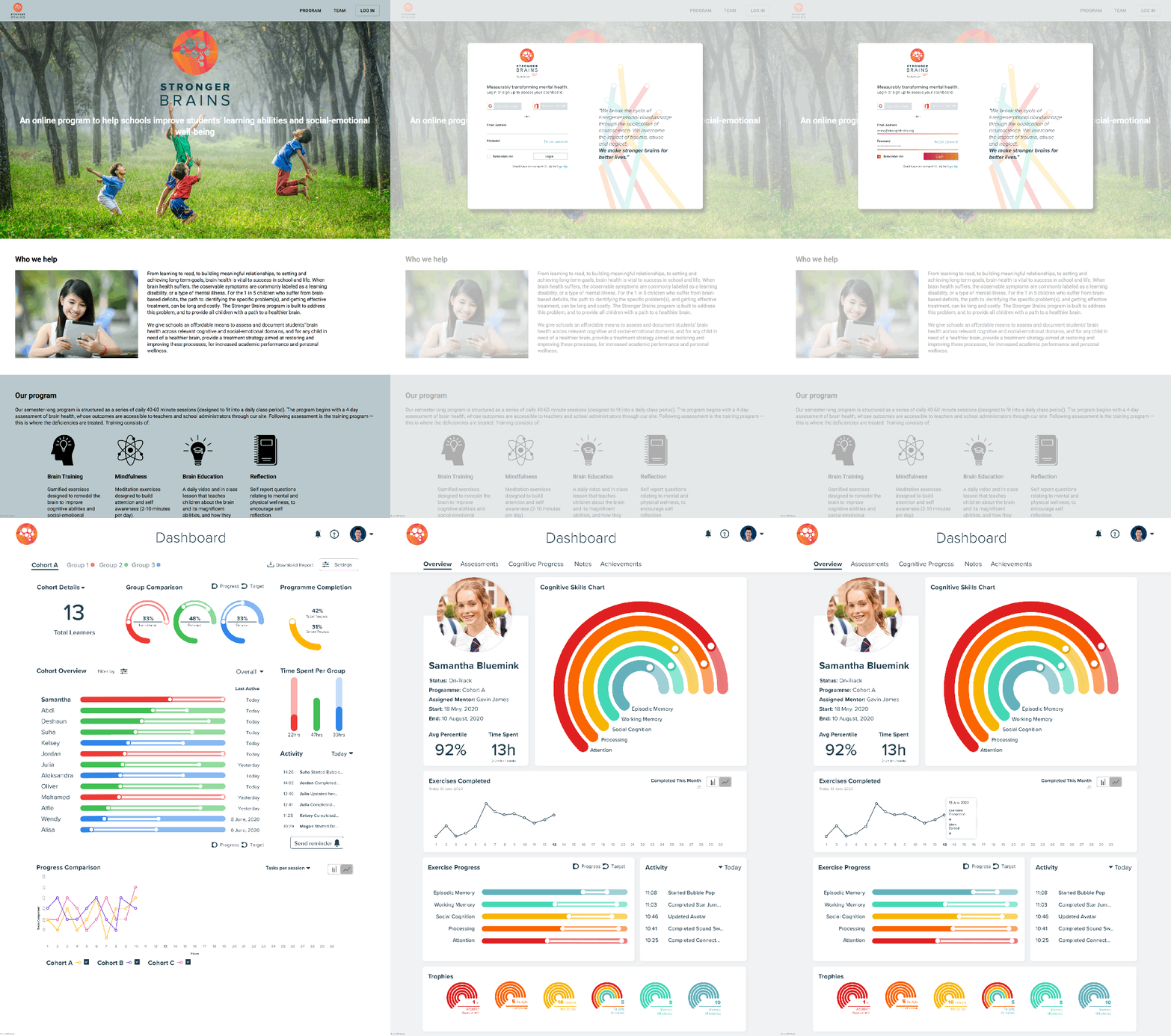
- The platform’s administrative section couldn’t display the data correctly.
- The current learner’s space, already operating, required some restructuring and reskinning.
The Solution
A dashboard where mentors could see the learners’ targets and improvements.
The Process
As a group, we began working straight away, using a Trello board as a Kanban, maintaining all the essential tasks visible. We shared responsibilities; this way, the work was continuously flowing.
To reach the solution, we adopted the double diamond design process, expanding on user research and concentrating on the insights to define the problem: how to display learners’ data more effectively. We developed a few ideas that were trimmed by user tests, delivering our solution.
Takeaways
Having the opportunity to work on this project was extremely gratifying, especially after seeing the reaction of the Stronger Brains team!
This project represents a milestone for me as a Junior UX Designer, as it allowed me to work for a real client for the first time. As the project developed, I was able to put into practice the exercises I learned in class. An excellent example of this is the design studio, where we included the client in the design process; it was invigorating to see their thoughts on paper with limited space for misinterpretation. This activity was vital for us to empathise and recognise that, like us, they too support and prioritise the user needs.
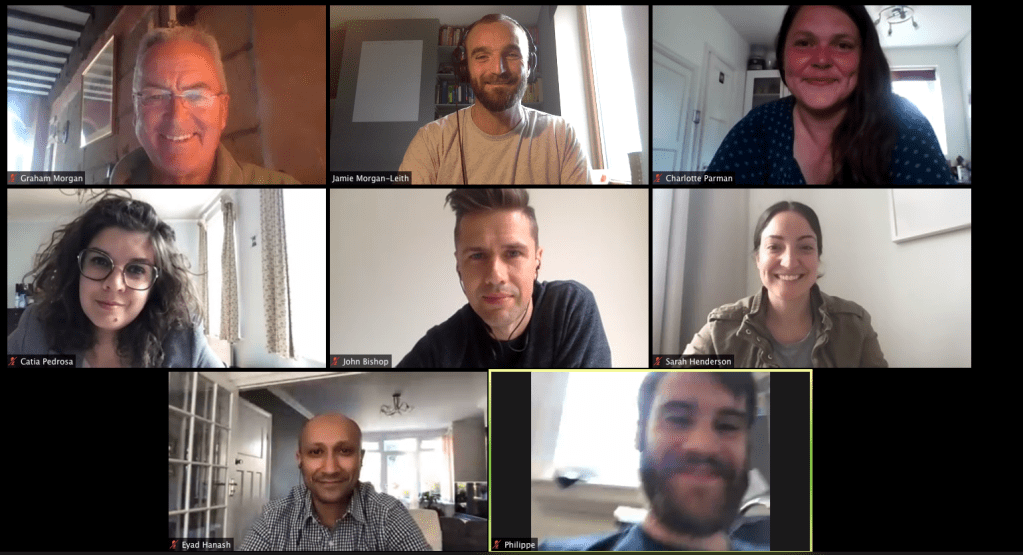
The Stronger Brains team has staff across the UK (London and the Yorkshire surroundings), Australia and America. Hence, we did worry that the time difference would affect our work; however, with a little effort from everyone, we succeeded in this area of concern!
We worked quite well as a group; we were organised and divided tasks in a way that allowed us to balance work and our personal lives. If we were to continue working on the project, I would insist on using software like Figma for the prototypes, so that all of us would be able to collaborate. This little pain point is something that I will take into consideration when working on future remote projects, as well as some of the organisational skills that my teammates shared!

